
In an era of sustainable intensification, Biofertilizers—preparations containing live microbes—offer a biological alternative to supplement chemical inputs. These living inoculants improve fertility by fixing atmospheric nitrogen, solubilizing minerals, and secreting growth hormones.
Nitrogen Fixers (NFB)
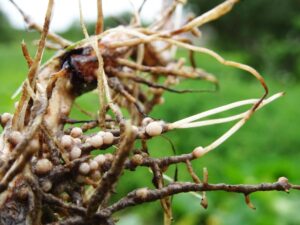
- Rhizobium: The gold standard for legumes. These bacteria form a symbiotic relationship within root nodules, fixing up to 100 kg of nitrogen per hectare. This can fulfill 80-90% of a legume crop’s nitrogen needs.
- Azotobacter & Azospirillum: Non-symbiotic and free-living bacteria suited for cereals like wheat and sorghum. They help save 20-30 kg of chemical nitrogen per hectare while producing essential B-group vitamins.
- Azolla-Anabaena: A “dual cropping” aquatic biofertilizer used exclusively in rice fields. The symbiotic pairing of the Azolla water fern and Blue-Green Algae can add up to 40 kg of N/ha to submerged paddies.
Scavengers and Solubilizers
- VAM Fungi (Mycorrhizae): These “root fungi” penetrate the cortical cells and extend deep into the soil profile. By increasing the root surface area up to 100 times, they facilitate the uptake of tightly bound phosphorus, zinc, and moisture, essentially acting as a biological insurance policy against drought.
Constraints of Biology
Unlike chemical fertilizers, biofertilizers are sensitive to environment, soil moisture, and toxic seed-coating chemicals. Success requires host-specific strain matching and careful timing of application (e.g., applying BGA 10 days after rice transplanting).