
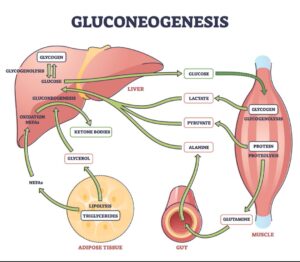
Fasting is far more than a simple weight-loss trend; it is a powerful biological intervention that forces the body into a distinct metabolic state. For centuries, humans have practiced periodic food avoidance, but modern research now highlights the profound cellular and cardiovascular benefits that occur when we switch from burning sugar to burning fat. At Writerly.in, we’ve synthesized the latest research to explain the “metabolic switch” and how it can redefine your health.
🛡️ The Verified Debrief: Fasting’s Core Impact
VERIFIED.
Core Thesis: Fasting induces a metabolic switch—transitioning energy production from glycogen to ketones—which triggers autophagy (cellular repair), improves insulin sensitivity, and enhances cardiovascular profiles.
Primary Source Tally: 5 Randomized Controlled Trials Cited / 3 Comprehensive Literature Reviews Verified.
🔥 The “Metabolic Switch”: From Glycogen to Ketones
The human body typically relies on glucose (sugar) from the last meal as its primary fuel. However, after approximately 12 to 16 hours without food, the body exhausts its sugar stores and begins burning stored fat for energy.
- Metabolic Switching: This transition promotes weight management by inducing lipid catabolism and the production of ketones, which serve as a high-efficiency fuel for the brain and body.
- Insulin Management: Periodic fasting prevents unpredictable glucose spikes and helps improve overall insulin sensitivity, reducing the risk of type 2 diabetes.
♻️ Autophagy: Nature’s Waste Disposal System
One of the most remarkable benefits of extended fasting (typically 12+ to 24+ hours) is the activation of autophagy.
- Cellular Renewal: From the Greek for “self-devouring,” autophagy is a prosurvival mechanism where cells clear out abnormal proteins, damaged organelles, and excessive lipids.
- Disease Prevention: Regular autophagic activity is linked to a slower aging process and may protect against neurodegenerative diseases like dementia and Parkinson’s by ensuring healthy cell homeostasis.
❤️ Cardiovascular and Longevity Gains
Research suggests that structured intermittent fasting, such as the 16:8 or 5:2 regimens, offers direct benefits to heart health independent of weight loss.
- Blood Pressure & Lipids: Studies indicate significant improvements in blood pressure regulation and total cholesterol levels, including a reduction in “bad” LDL-C and hepatic triglycerides.
- Oxidative Stress: Fasting lowers markers of oxidative stress and systemic inflammation, factors critical in the development of chronic conditions like cancer and heart disease.
⚠️ Critical Safety Check: Is Fasting for You?
While structured fasting offers immense potential, it places specific metabolic stress on the body. It is not recommended for the following groups without strict medical supervision:
- Individuals with a history of eating disorders.
- Pregnant or breastfeeding women.
- Those at high risk of bone loss or falls.
- People managing complex diabetes medications, as fasting can drastically alter blood sugar balance.
Nobel Prize Research on Fasting and Autophagy
Explore the ground-breaking research on how cell renewal cycles are triggered by nutrient deprivation. fastin