
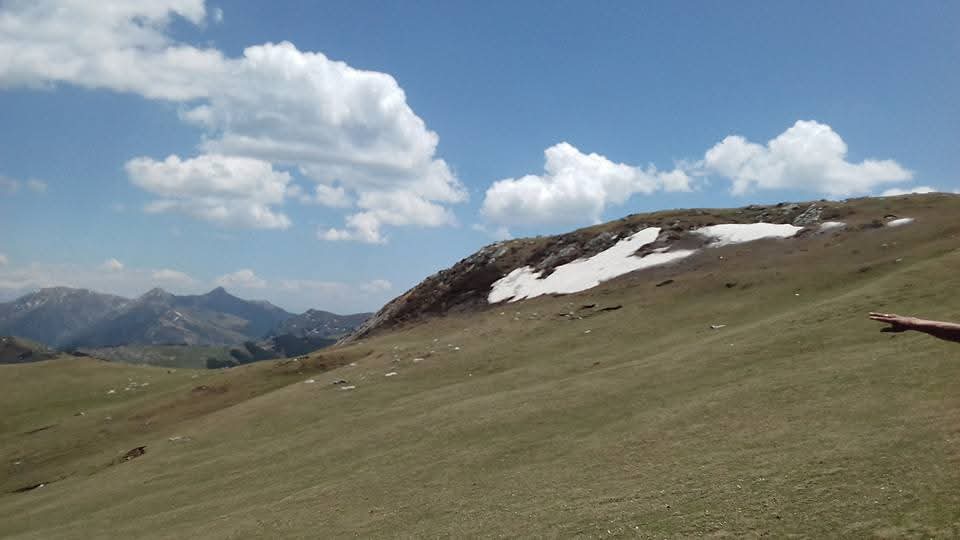
Lambri Top, located at an altitude of approximately 3,600 meters (11,800 ft) in the Kullu district of Himachal Pradesh, is an offbeat trekking destination offering some of the most expansive Himalayan panoramas. Known as a “holy mountain” by locals, Lambri Top is considered the abode of powerful deities and serves as a natural guard to the higher Himalayas. The trek provides stunning 360-degree views of range after range, from the Dhauladhar to the Kinnaur Himalayas.
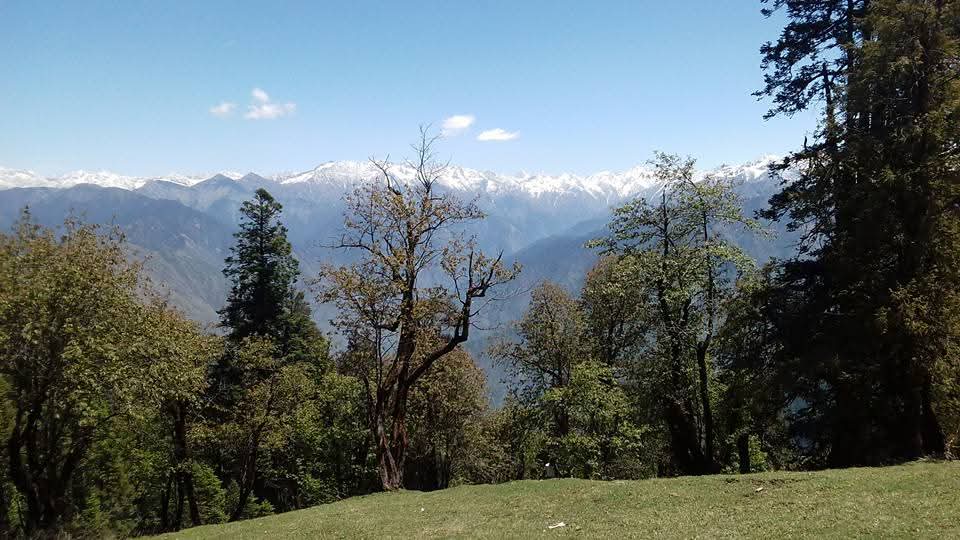
What to Expect: Biodiversity and Sacred Vistas
The Lambri trek is an immersion into the rich biodiversity of the region, situated in the buffer zone and eco-zone of the Great Himalayan National Park (GHNP).
- Rare Wildlife: The area is a shelter for the elusive Western Tragopan and other high-altitude bird species.
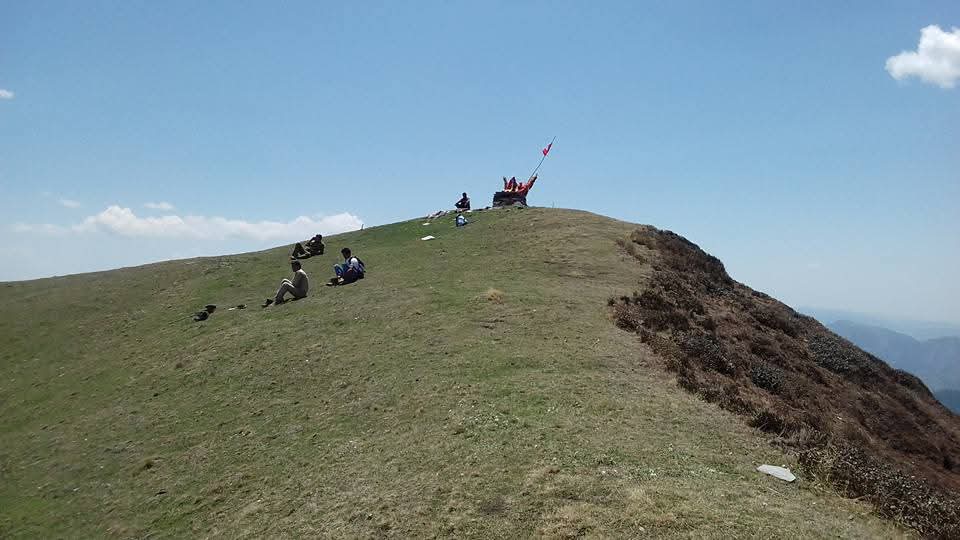
- Sacred Summits: Local villagers consider the peak as sacred as a temple. Traditionally, trekkers are advised to remove their shoes at the top and may collect wildflowers along the way as offerings.
- Panoramic Views: From the top, you can see the entire Himalayan range and spot two different valleys from a single point.
- Cultural Landmarks: Highlights include visits to the Jogni Mata temple and the wooden temple at Skirn, where you can meet the resident priest outside the snowy season.
How to Reach the Base Camps
The trek usually begins from the Tirthan Valley or Jalori Pass.
- Stage 1: Reaching Aut: Take a Volvo bus or private vehicle from Delhi or Chandigarh to Aut, which is the gateway to the Kullu valley.
- Stage 2: Reaching Base Camps: * Gushaini/ Jamala: From Aut, travel to Gushaini (approx. 35 km). A dirt road leads to Sarchi Village, which serves as a major base for the climb to Lambri Top.
- Jalori Pass: Alternatively, you can take a jeep up to Jalori Pass (3,120 m) to start the high-altitude approach.
- Transit Options: The nearest airport is Bhuntar (Kullu) (60 km away).
Trekking Duration and Difficulty
- Duration: Typically a 1 day trek from Sharchi village.
- Difficulty Level: Moderate. While categorized as moderate, the trail involves vertical climbs and steep inclines.
- Daily Walking Time: Expect an average of 5 hours.
Best Time to Trek
- Summer (April to June): Pleasant daytime weather and clear views of snow-patched fields and alpine flowers.
- Post-Monsoon (October to November): Crisp, stable weather with exceptional visibility of the snow-capped ranges.
- Note: The region is largely inaccessible from November to March due to heavy snow.
Essential Requirements and Advisory
- Permits: All necessary permits for the GHNP buffer zone must be obtained, usually through professional trek agencies.
- Health & Fitness: Trekkers should be in good health and capable of carrying personal backpacks, unless hiring a porter in advance (approx. Rs. 600 per day).
- Packing Essentials: * Footwear: Sturdy hiking boots with good traction are mandatory.
- Clothing: Layered clothing is best—base moisture-wicking layers, mid-fleece for warmth, and an outer windproof/waterproof shell.
- Gear: A hydration bladder or bottle (no water sources on vertical vertical stretches), a 20-30L daypack, trekking poles, and a headlamp.
- Cultural Ethics: Trekkers must respect local customs, avoid littering (no plastic bags), and exhibit sensitivity towards wildlife.