

Urea, scientifically known as carbamide , stands as the titan of Indian agriculture, accounting for approximately 91% of the total nitrogenous fertilizer production in the country. Its prominence is not accidental; with a 46% nitrogen content, it is the most concentrated solid nitrogen fertilizer commercially available, optimizing transportation and storage costs per nutrient unit.
Industrial Genesis: Haber-Bosch to Carbamate
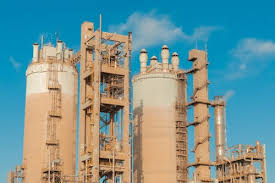
The manufacturing of urea is a complex, high-pressure process that begins with the synthesis of ammonia using the Haber-Bosch process. This ammonia is subsequently reacted with carbon dioxide under extreme conditions—temperatures of 180–200°C and pressures of 2500 to 3500 Psi—to form ammonium carbamate. Through dehydration, this carbamate is converted into liquid urea.
Biuret Threat
A critical phase in urea production is evaporation and granulation. If the concentrated urea solution is exposed to temperatures exceeding 100°C, two urea molecules can merge to form a toxic byproduct called Biuret. According to the Fertilizer Control Order (FCO), biuret content must be strictly limited to below 1.5% to prevent severe crop toxicity.
The Soil Transformation Cycle
Unlike nitrates, which are prone to immediate leaching, urea is “non-ionic” and must undergo hydrolysis in the soil. Upon application, the soil-borne urease enzyme breaks down urea into ammonium carbonate within roughly a week. Microbial oxidation then converts this into ammonium and nitrate, which plants readily absorb. For maximum efficiency, particularly in wet rice fields where recovery can drop below 40% due to volatilization, apply urea 3-4 days before sowing.